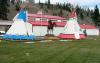
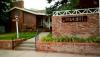
The Historical Museum at Fort Missoula was established by community effort in 1975 to save what remained of original Fort Missoula, and to interpret the area's history. The museum is located on 32 acres in the heart of historic Fort Missoula.
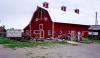
The Huntley Project Museum of Irrigated Agriculture is a Homestead Museum containing over 5,000 homestead items from the 1880s to the 1940s. Artifacts displayed include homestead items, farm machinery, and early day canal building machines.
The Jefferson County Museum first opened its doors in June of 2001. The museum is comprised of two large galleries. One gallery focuses on Jefferson County history. Exhibits on mining, ranching and railroading tell the story of life in Jefferson County and in the nineteenth century.
To preserve the past for use in the future is the mission of the Jefferson Valley Museum as it depicts the history and heritage of the Jefferson Valley.
The Jessi Mullin Picture Museum is named after my husband's mother. She took lots of pictures of the local people. James and Jessie Mullin bought the Busby Store in 1948. Later they sold it and bought the Lame Deer Trading Post in 1952.
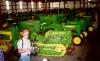
You'd think that Louis Toavs would never have to buy another tractor. With more than 500 John Deere tractors in his backyard, the farmer and rancher should be set for life.
The Judith Basin County Museum was opened in 1967. Our museum has many old time articles, old pictures and some history books. We have a collection of 2,082 sets of salt and pepper shakers; a collection of 50,000 buttons; an Indian artifacts display, and many more items. Charles M.
Built into a scenic bluff overlooking the Missouri River, the Lewis and Clark National Historic Trail Interpretive Center contains exhibits detailing the 1804-1806 Lewis and Clark Expedition officially known as the Corps of Discovery.
Chester was originally a stop over for the nearest railroad shipyard in North Dakota. When the Great Northern Railroad arrived in 1907, the whole town was forced to move to the south side of the tracks in order to straighten a bend in the tracks.
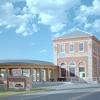
The Livingston Depot Center opened in 1987. The museum is located in a 1902 Northern Pacific Railway station which has been renovated and now houses railroad and western history exhibits and art shows.
Chinese miners came to Butte to work the mines. Later these mines were abandoned as the placer mining era declined, and the Chinese were relegated to work in laundries, domestic services and noodle parlors.
This FREE admission museum is open year round. Makoshika Dinosaur Museum offers an opportunity to view dinosaurs of the past in a safe and fun setting.
Tour of the museum has been called one of the finest in the nation. The Anaconda Company records have helped make television documentaries and assisted in research world wide.
This free museum has been in operation since the early sixties. Volunteers began the museum with exhibits depicting early settlers, merchants, ranchers, blacksmiths, telephones, and the armed forces.
The McCone County Museum was established in its new 80x80 feet steel building in 1980. It consists of 7,000 items of historical history of the area. Its wildlife collection consists of over 200 birds and animals mounted and displayed in their natural settings.
Mehmke's Steam Engine Museum is the home of a large collection of operational steam traction engines, antique gas tractors and other early day farm related items.
The Mineral County Museum, free to all, opened in 1977 in response to the nation's bicentennial. Featuring local history, including exhibits concerning the area's historic industries of mining, logging and forest service activities.
If you would like to see a fantastic mineral collection or need advice on where to look for our own mineral specimens in the Butte area, the Mineral Museum on the Montana Tech campus is the place to visit. The museum charges no admission fees.